The Pacific Crest Trail
"There's no way to know what makes one thing happen and not another. What leads to what. What destroys what. What causes what to flourish or die or take another course. "
Cheryl Strayed
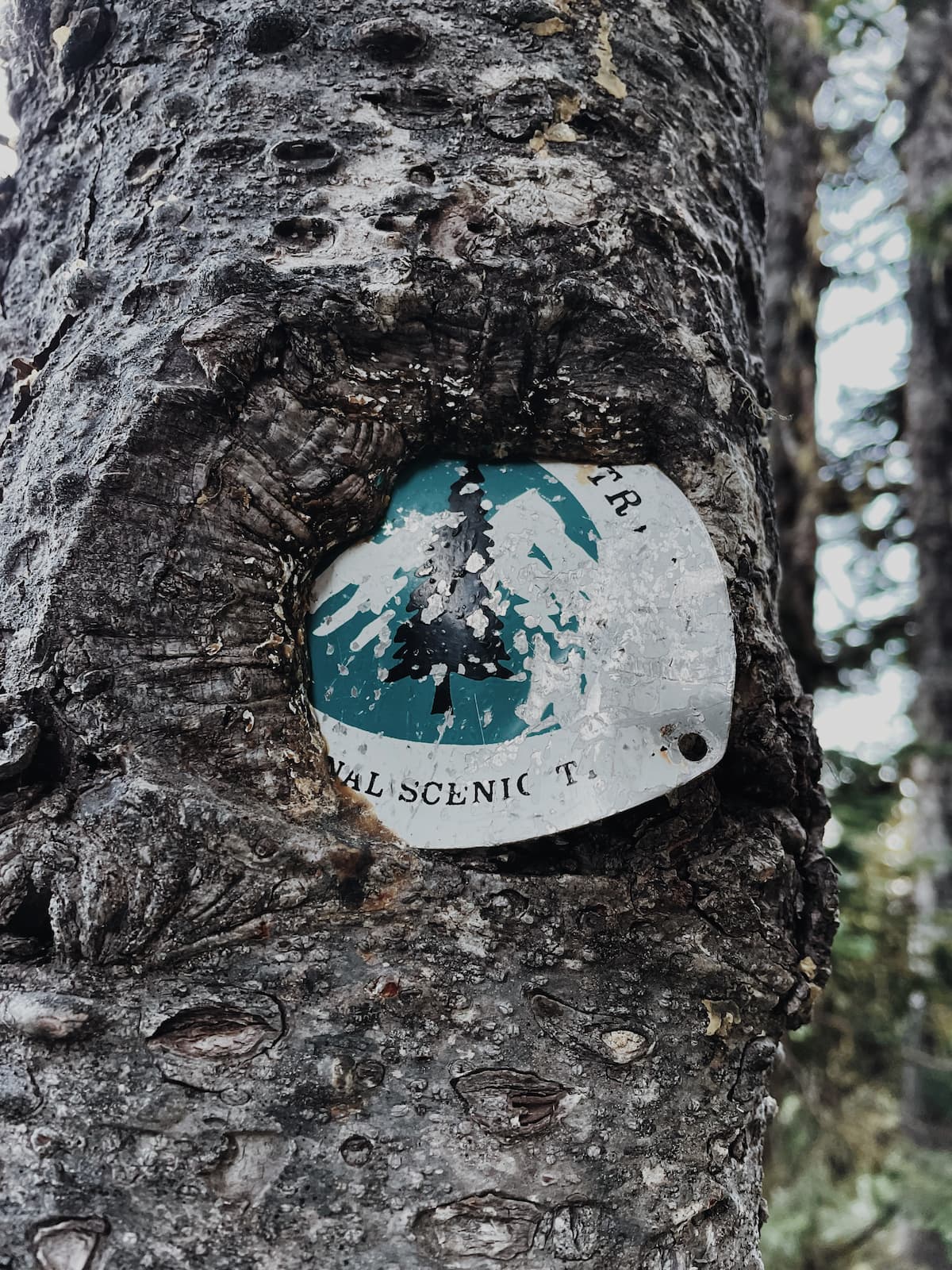
The Pacific Crest Trail stretches across three states: California, Oregon, and Washington. Covering 2,650 miles, the PCT traverses over 100 major mountain passes, 48 wilderness areas, 26 national forests, 7 national parks, 5 national monuments, and 5 state parks.
In 2022, I hiked the majority of the trail but had to stop 180 miles short of the Canadian border due to wildfires raging in Washington. In 2023, I returned to complete those final miles. It’s an experience I’ll be forever grateful for, one that profoundly changed me in ways I couldn’t have imagined.
The Desert
703 miles
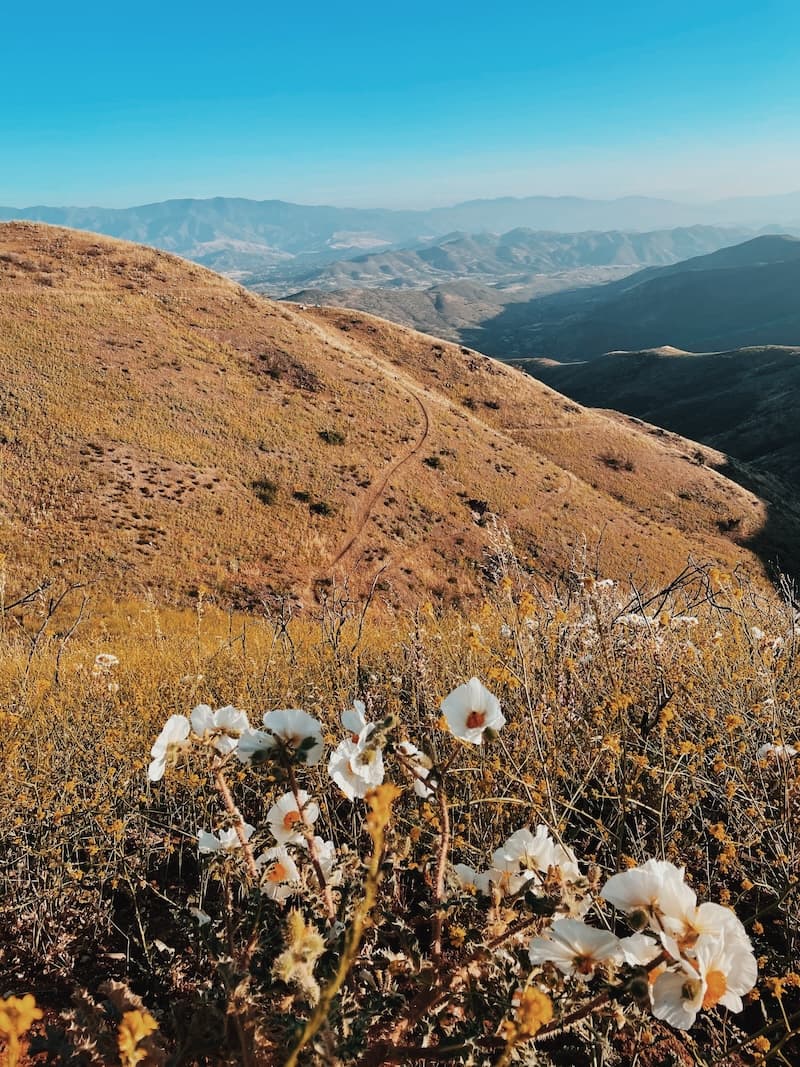
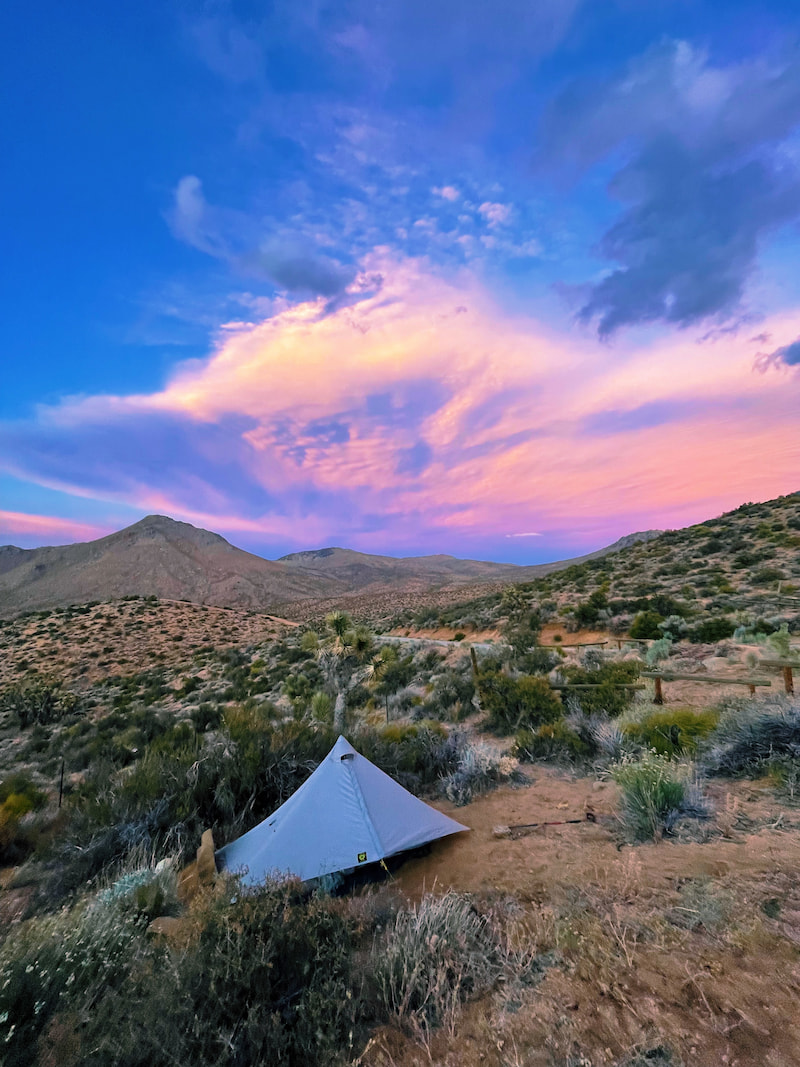
The desert section of the Pacific Crest Trail spans from Campo, CA, to Kennedy Meadows South, CA. This stretch is all about adapting to your new lifestyle: walk, eat, sleep, repeat. It’s said that most hikers drop out within the first 100 miles—or the first week. To push through, you need to embrace being uncomfortable: tired, achy, and sweaty. Most importantly, you need a strong "why."
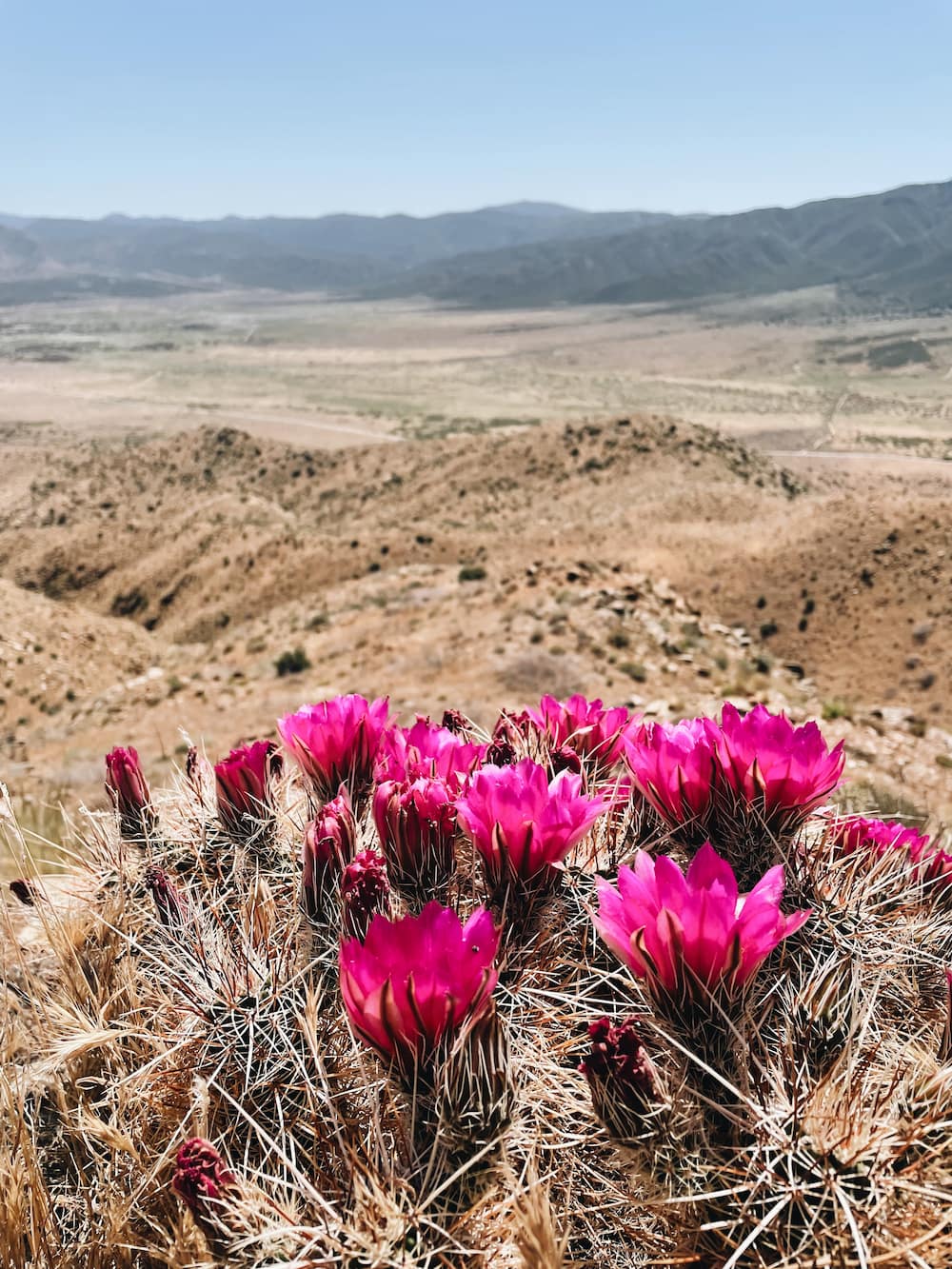
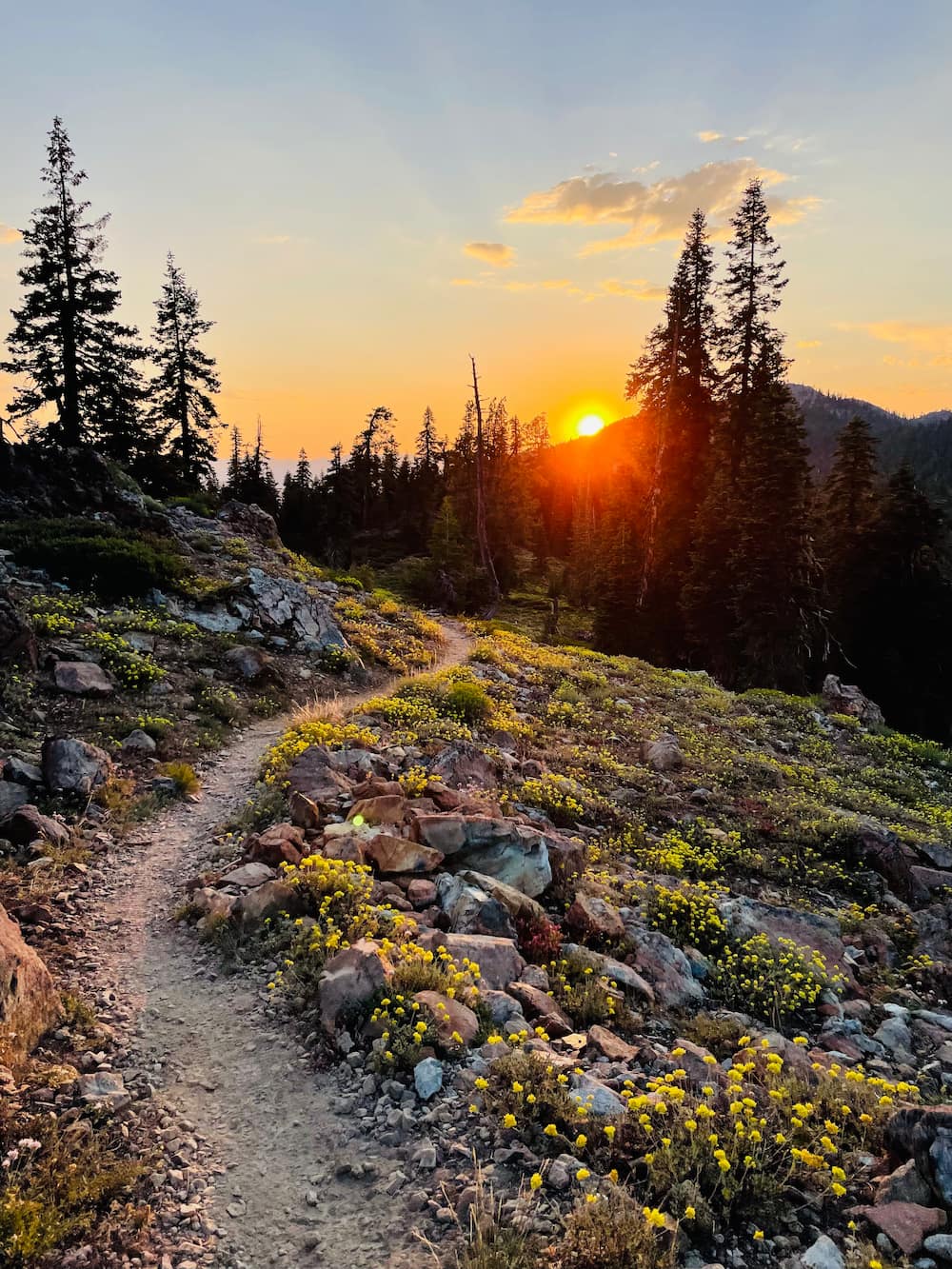
Many hikers dread the desert for its long water carries, relentless dust, scorching days, and freezing nights. While it was all of that, it was also breathtakingly beautiful: vast open skies, spectacular sunsets, crystal-clear nights illuminated by the brightest moon I’ve ever seen, and a stunning abundance of wildflowers.
Tramily
Trail + Family
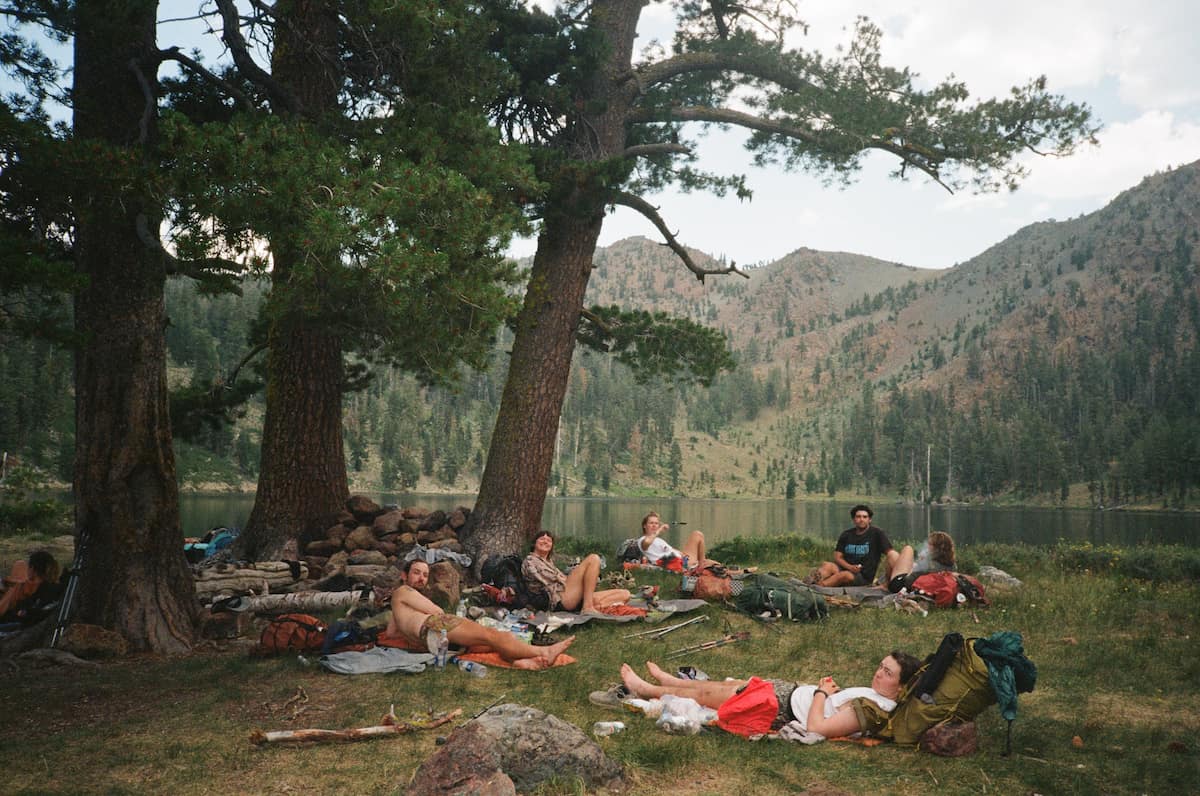
As a big fan of summer camps, the trail felt instantly right to me. It was full of people from all over the world, everyone eager to make friends and form a "tramily"—a trail family. My tramily came together on the second day, and we were inseparable for the next four weeks. We camped together, shared Airbnbs with hot tubs, and experienced many "firsts" as a group: our first hitchhike, first nights cowboy camping under the stars, first snowy summits, and even our first injuries.
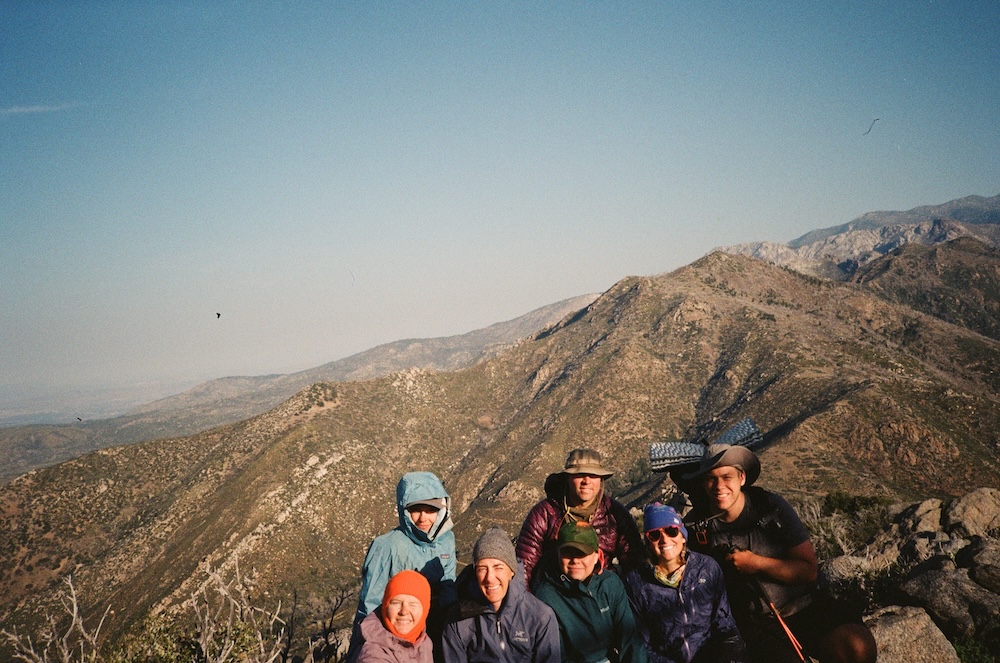

April 22, 2022
"Idylwild, CA. It’s been two weeks on the trail tomorrow, and I’ve just taken my second shower—literally one shower per week. Out here, you start to appreciate the small things, like the simple act of washing your face and hands. Water in the desert is precious; it’s not uncommon to have 15-20 miles between water sources. You carry just enough to keep you alive—not an ounce more.
I read in one of the trail logs, “You need to become dust in order to overcome it.” Becoming dust is easy; it’s everywhere: in your shoes, tent, nose, eyes, throat, skin, and under your nails.
As I write this, it’s snowing in the mountains where we’ll be heading on Sunday. But tonight, we’ve all found a place with four walls and a real ceiling. It’s a good night."
Sierra Nevada
300 miles
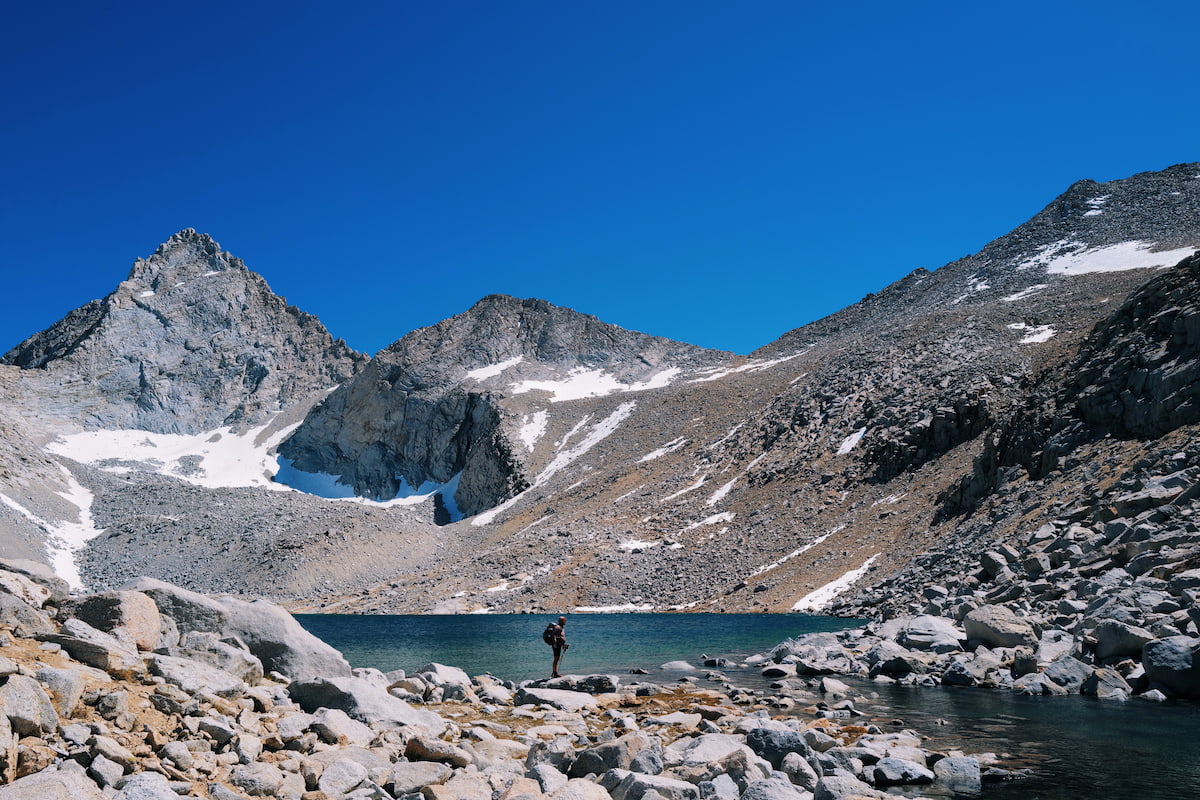
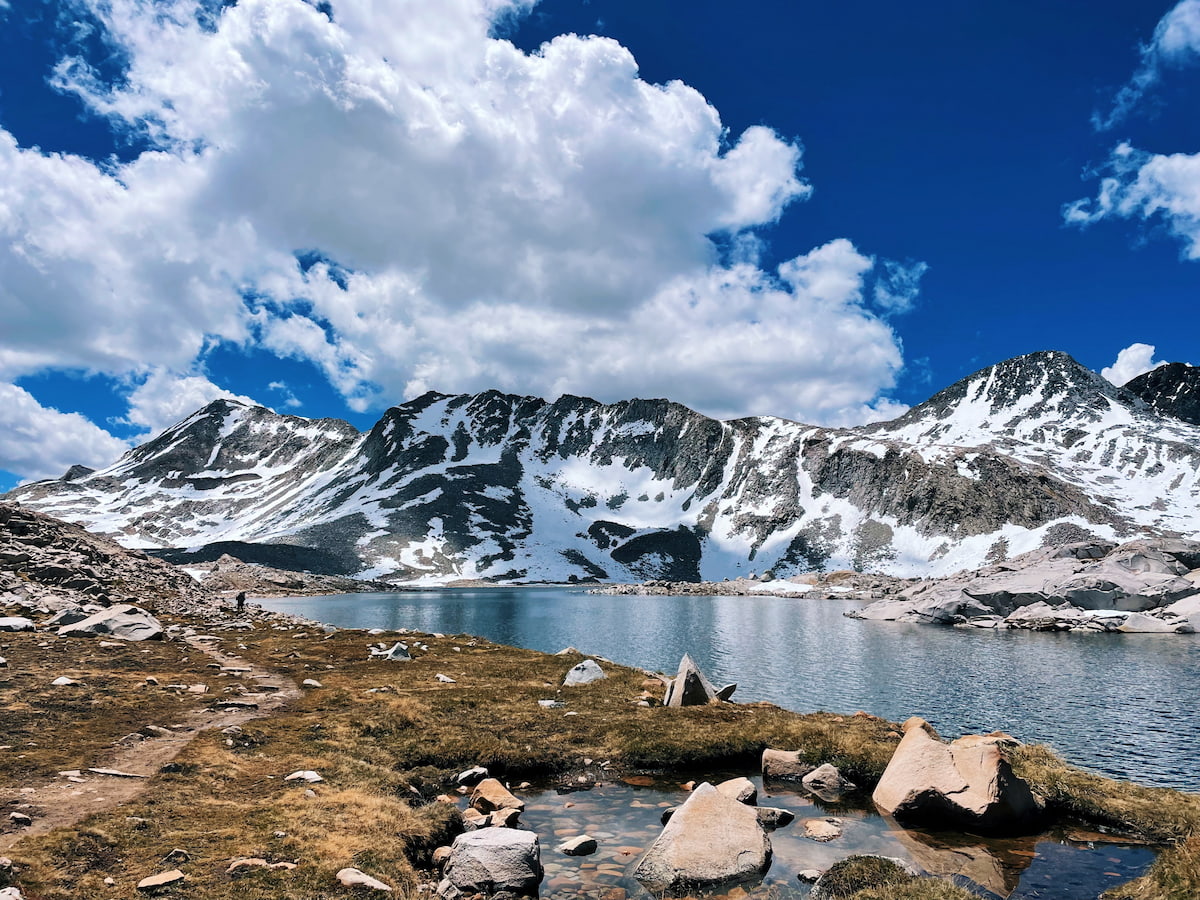
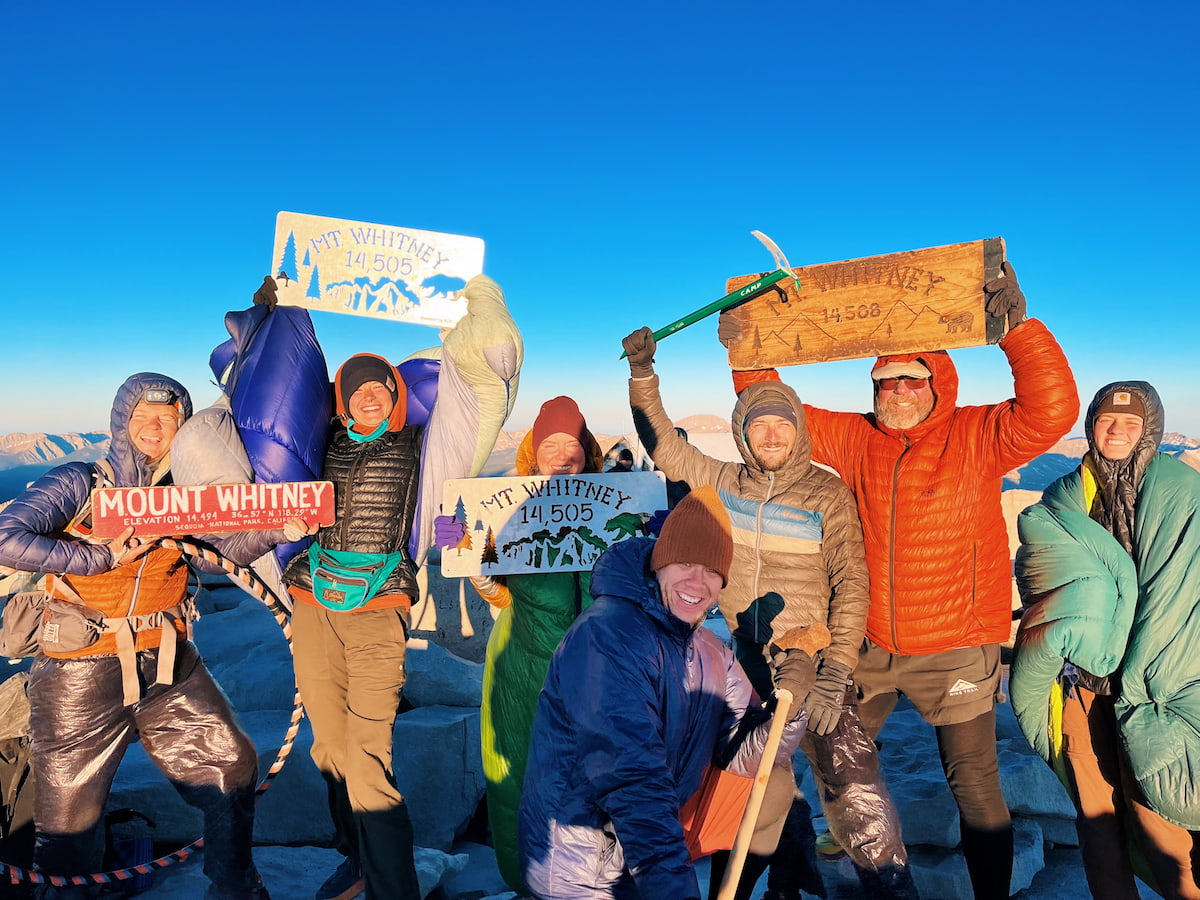
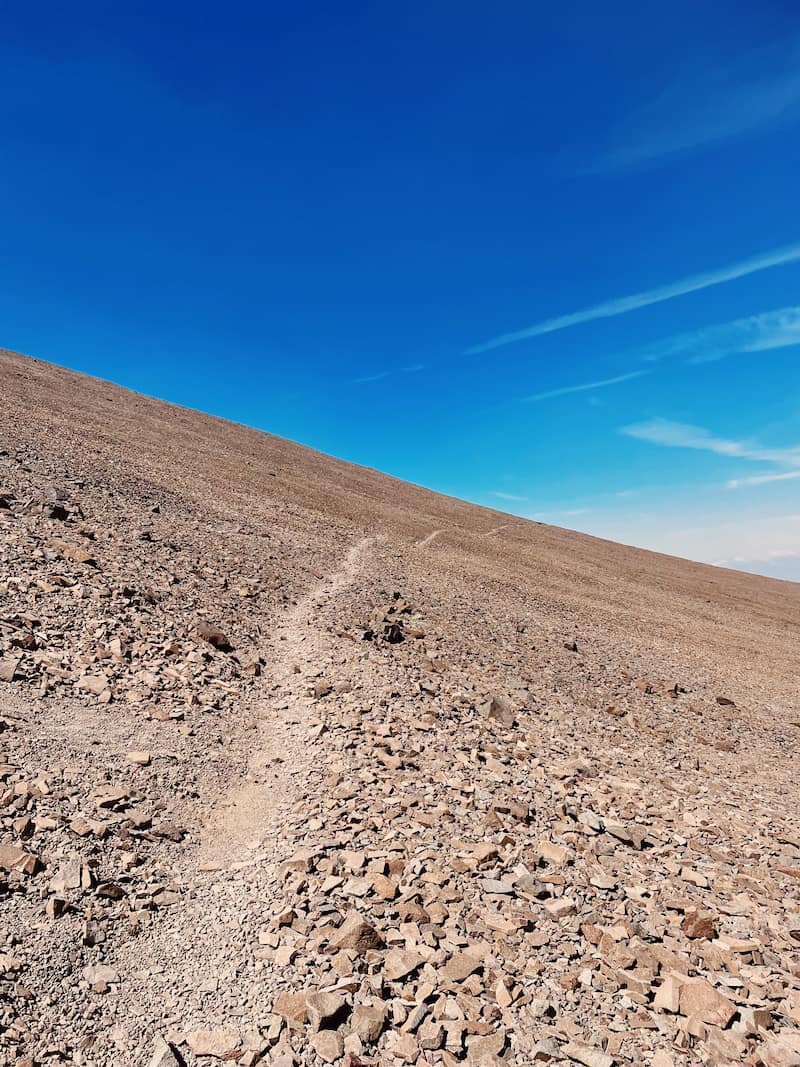
Sierra Nevada Mountains—with most days spent above 10,000 feet in elevation. While we averaged 18–20 miles per day in the desert, our mileage dropped in the Sierras: the air was lighter, and our packs were heavier. Kearsarge, Glen, Pinchot, Mather... Each mountain pass felt like a gateway to a different world—the scenery transformed completely. Some valleys were cold, sandy deserts; others were dense forests, and some were dotted with bright blue lakes of crystal-clear water.

Sonora Pass
+ Northern California
Trail angels
Pure Magic
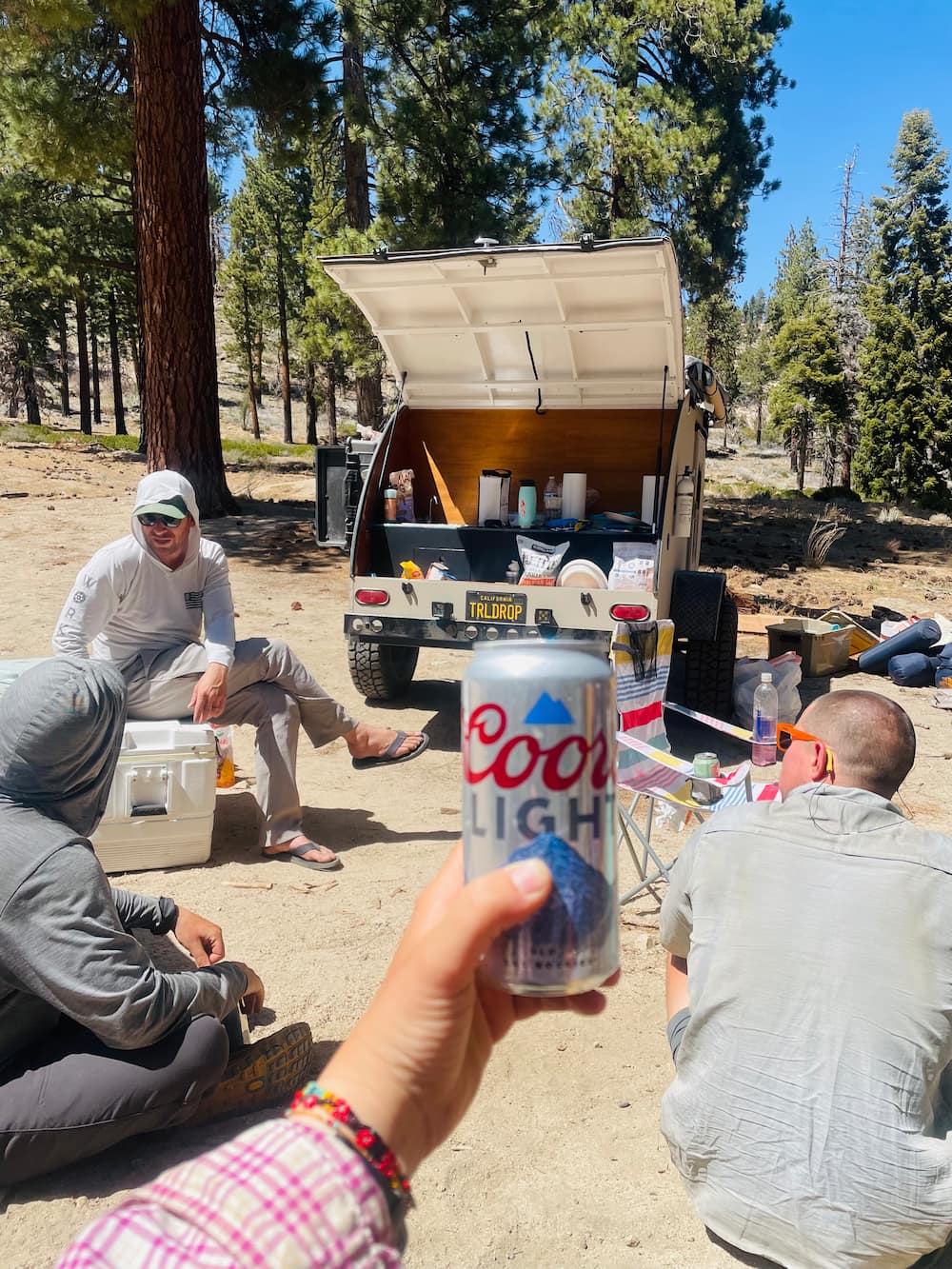
What else would you call the kind of people who drive out to the middle of nowhere just to make hot dogs and burgers for stinky hikers? Angels, of course. And what else would you call a can of ice-cold soda—or a beer—on a 100-degree day when you’re 15 miles in with seven more to go? Pure magic. Trail angels come in all forms: some are past PCT hikers paying it forward, while others—unable to join the journey themselves due to health or life circumstances—live vicariously through those of us out here.
Oregon Coast Trail
PCT
OCT
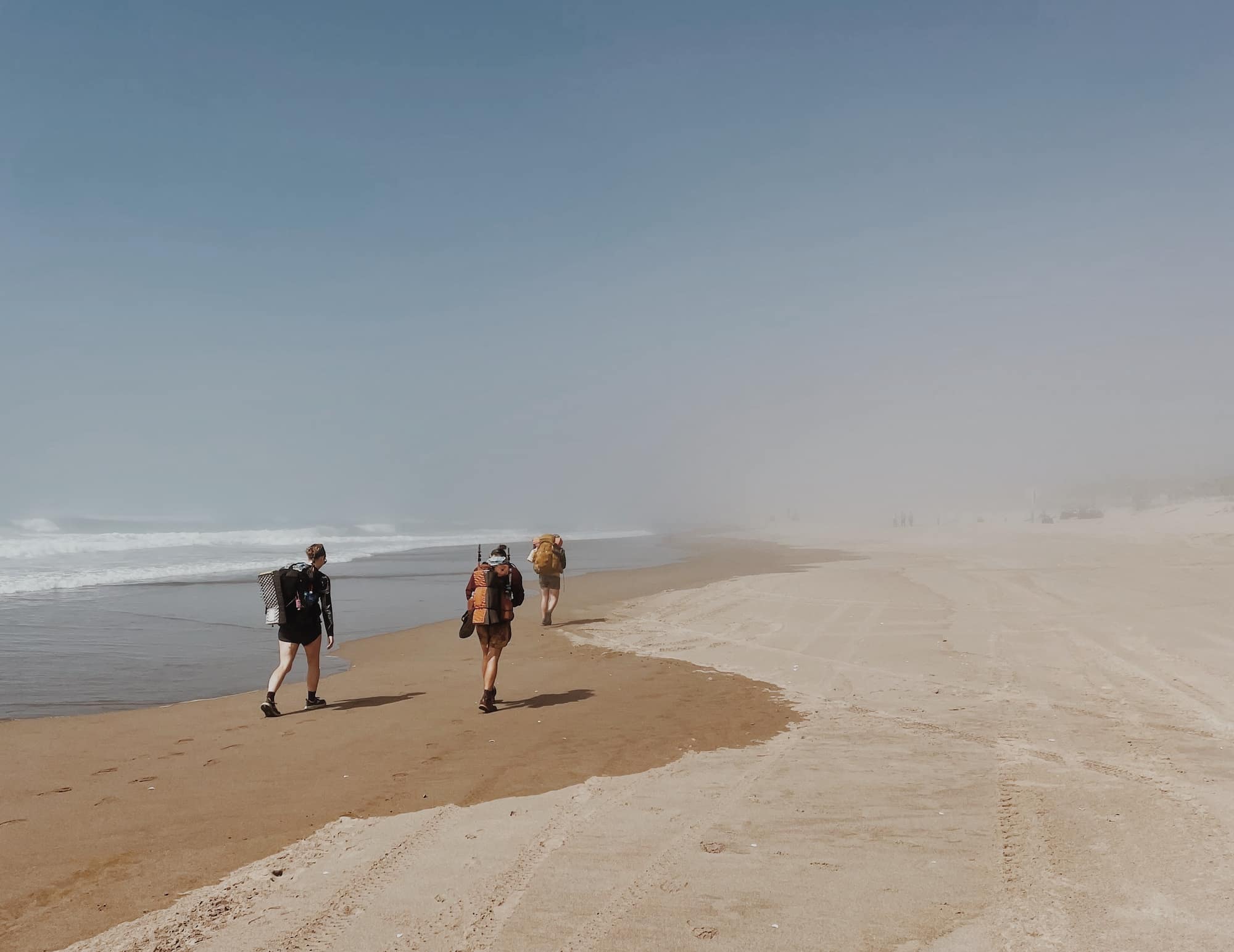
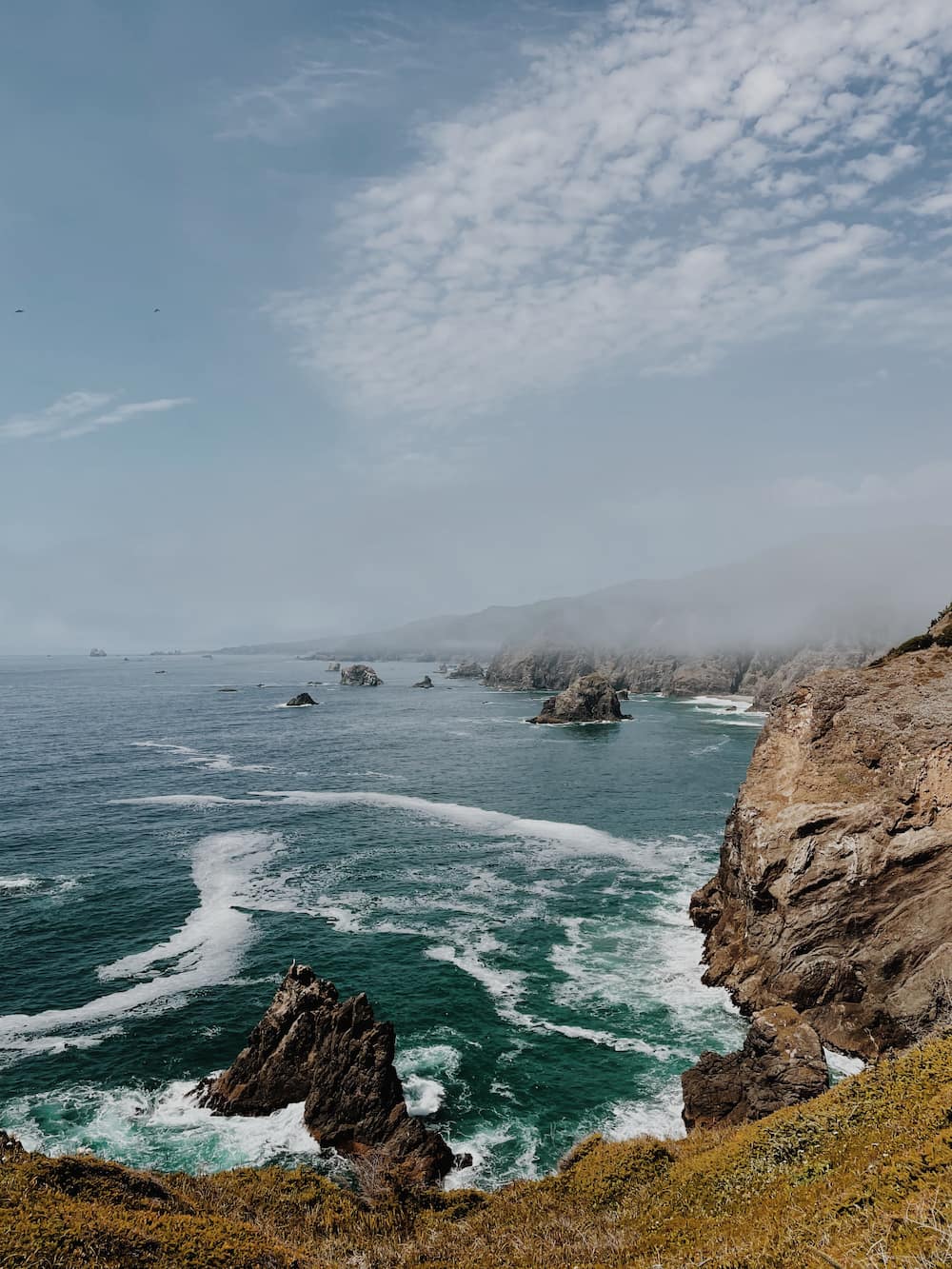
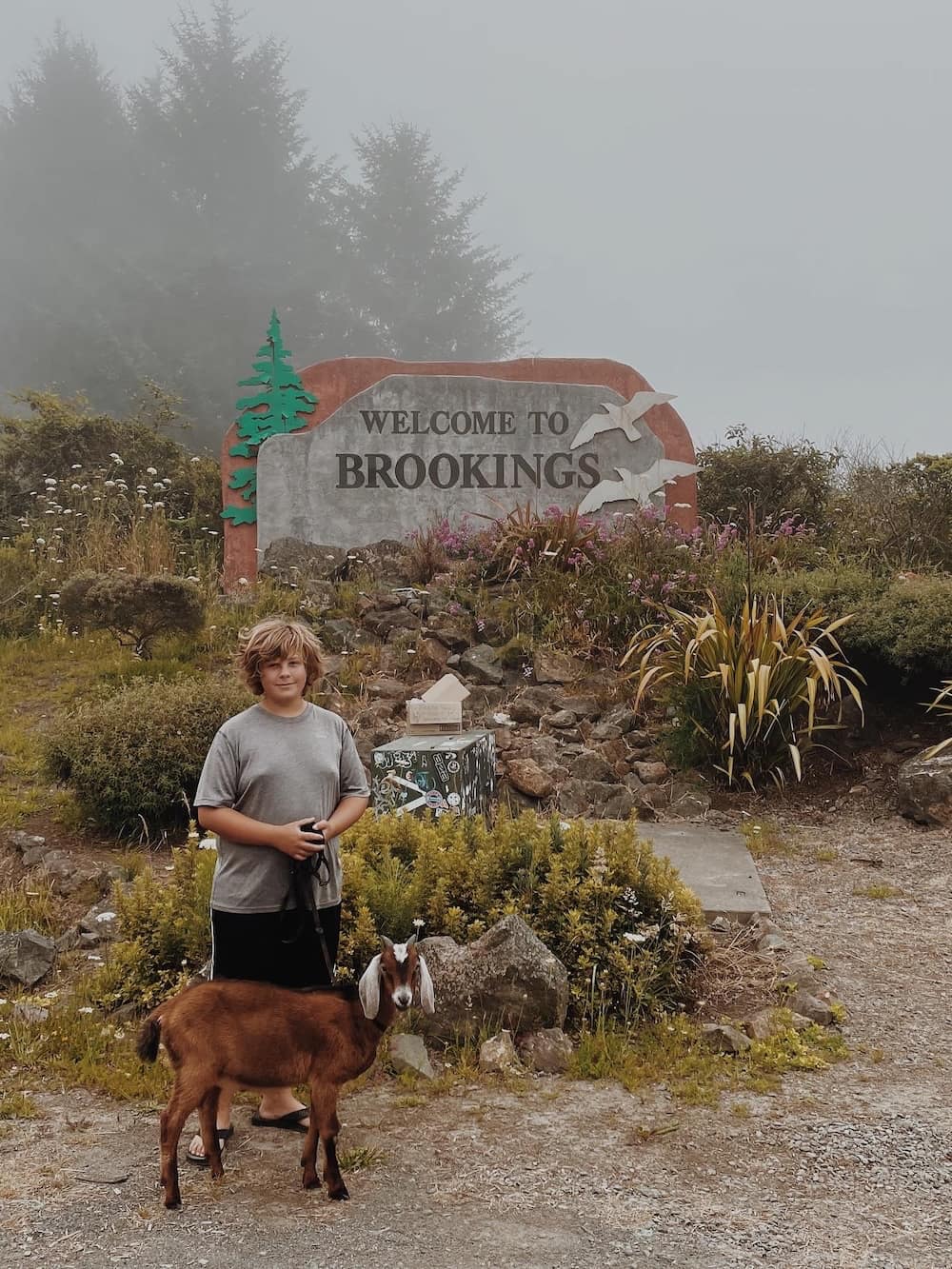
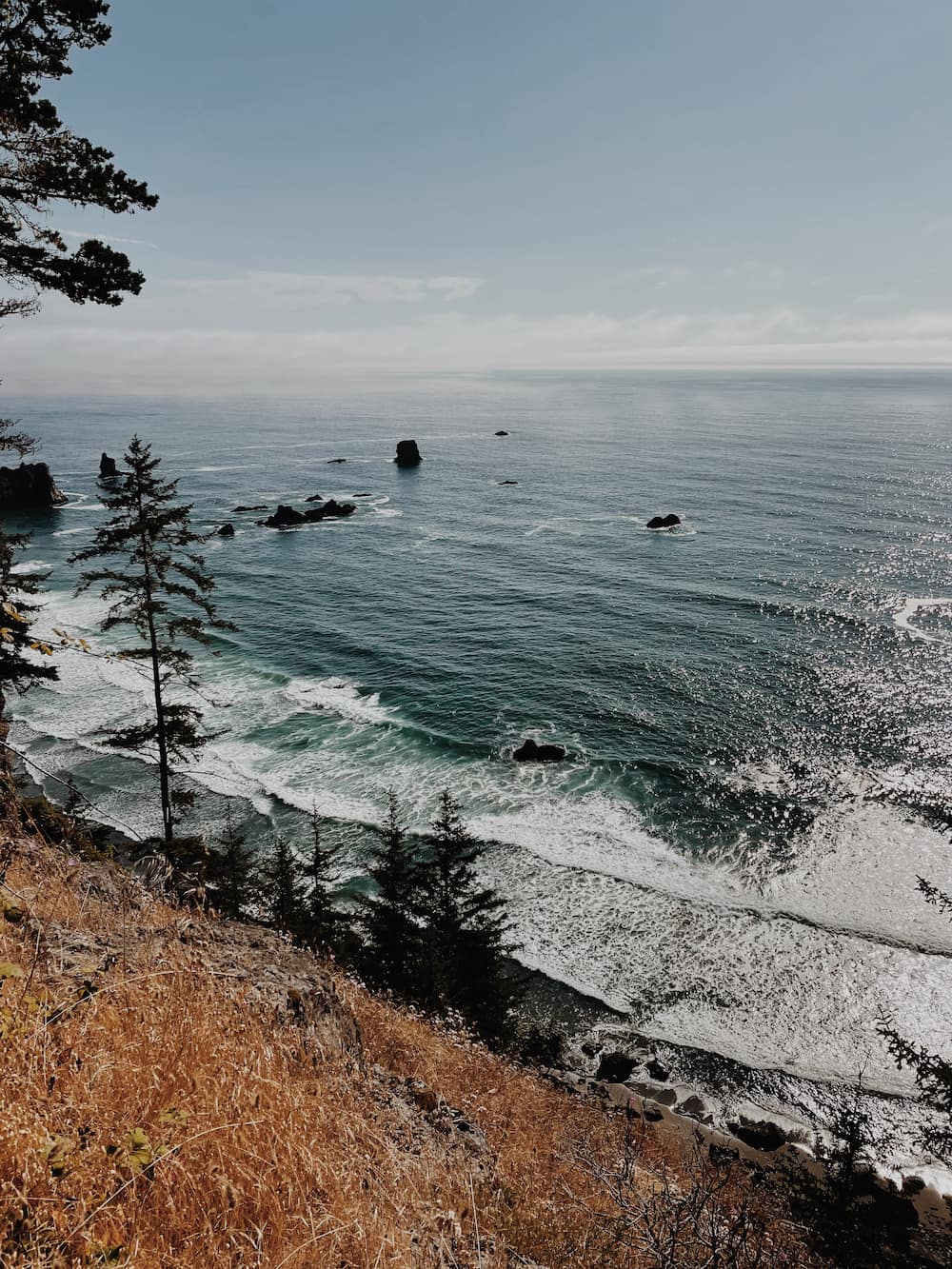
With wildfires flaring up across Northern California and Oregon—forcing us to skip around, hitchhike, or take buses—we decided to pivot to the Oregon Coast: land of fish and chips and breathtaking ocean views.
The Oregon Coast Trail came with its own challenges: no established campsites, scarce fresh water, and river crossings that had to be timed with the tides. But it also gave us whales, seals, and a parade of ATVs. Oregon’s large unhoused population meant fewer people were willing to give us rides; some even shouted, “Get a job!” A jarring contrast to the kindness of trail angels on the PCT.
Washington
The end is near
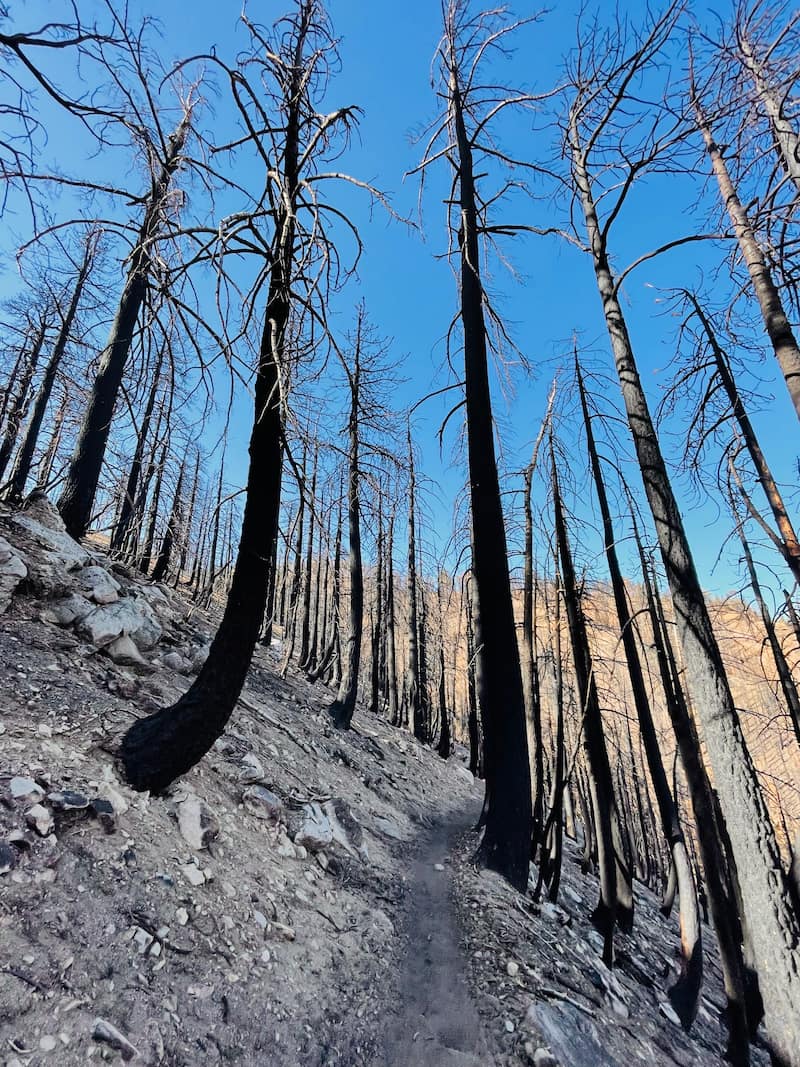
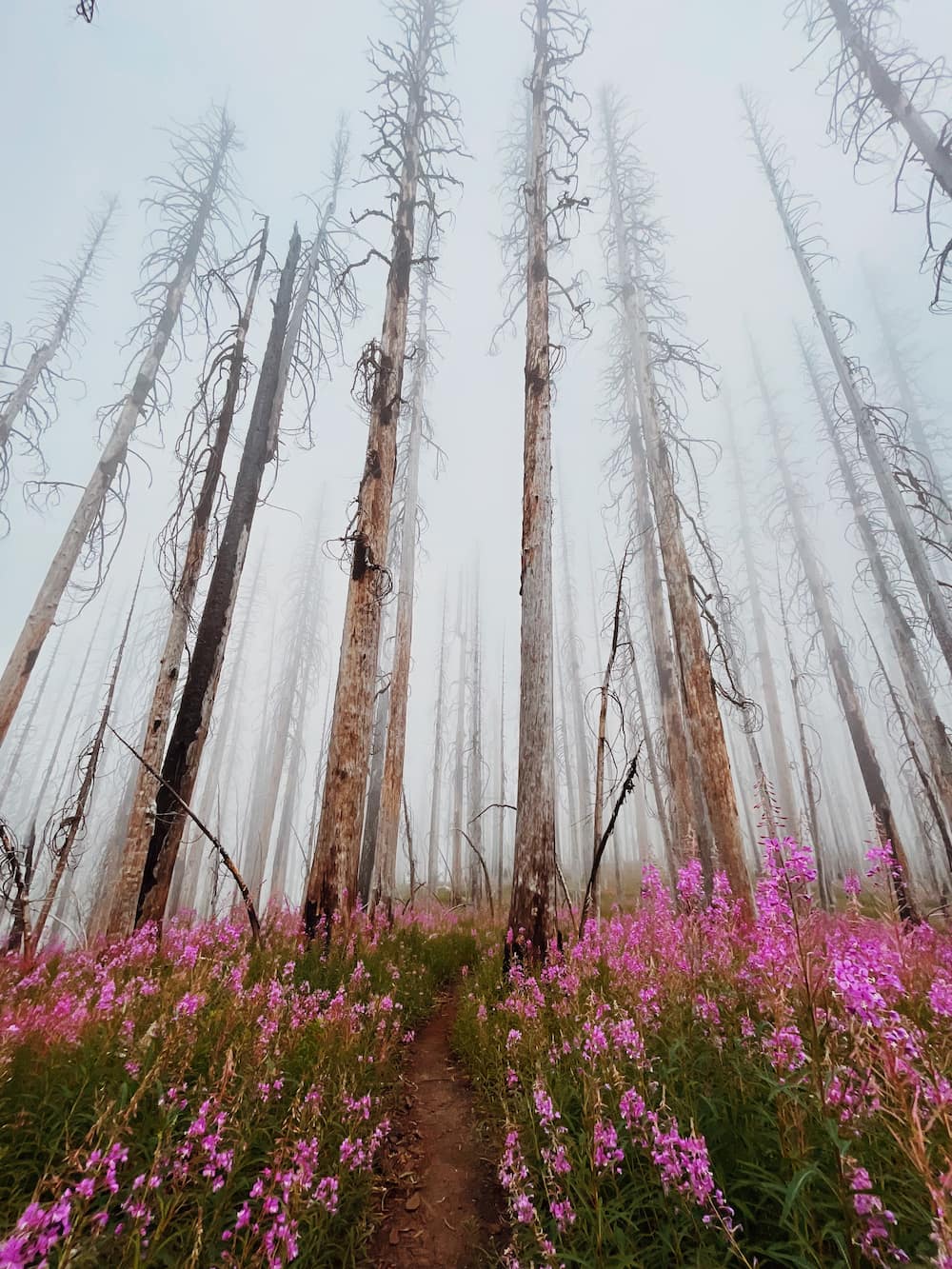
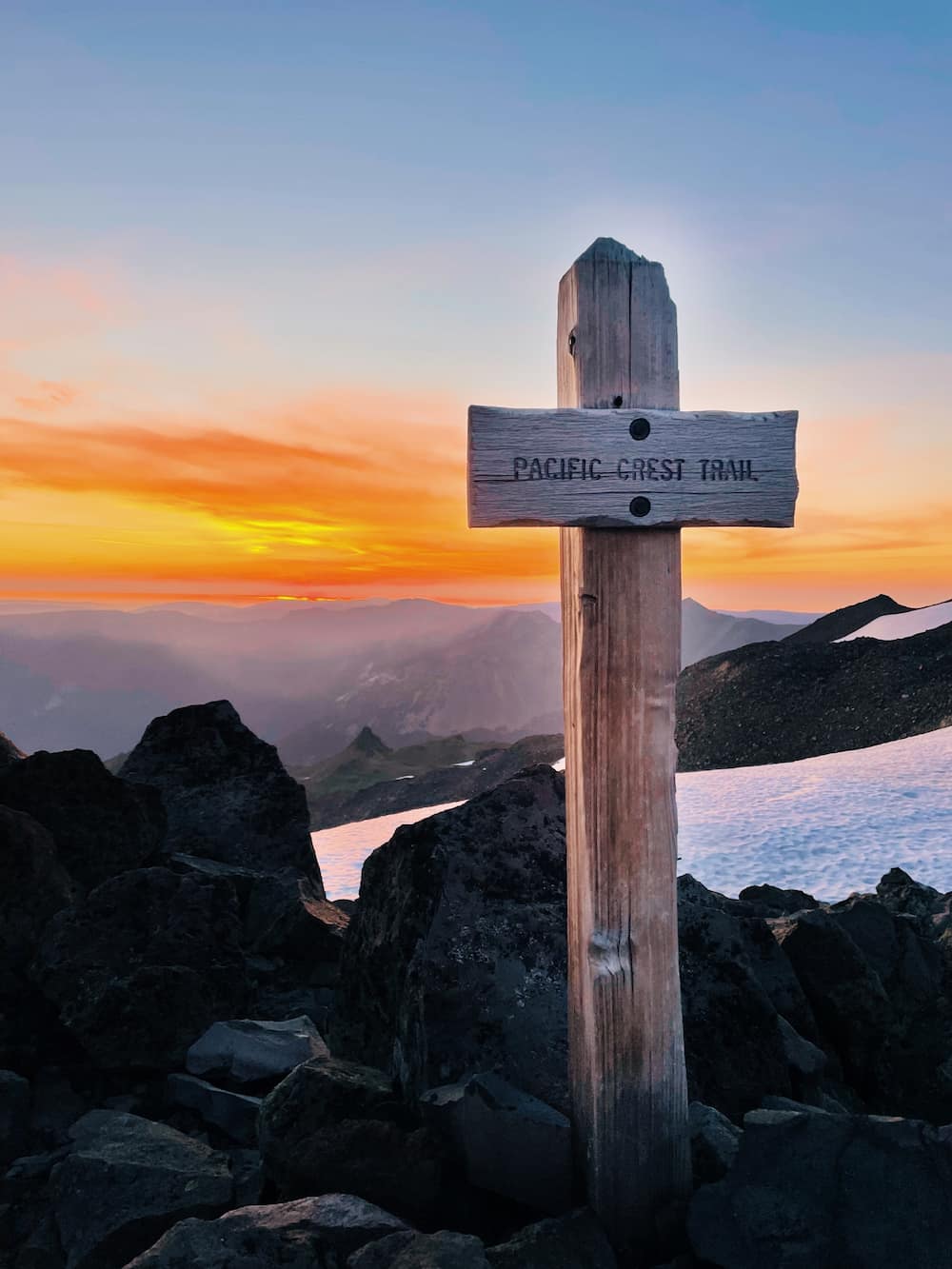
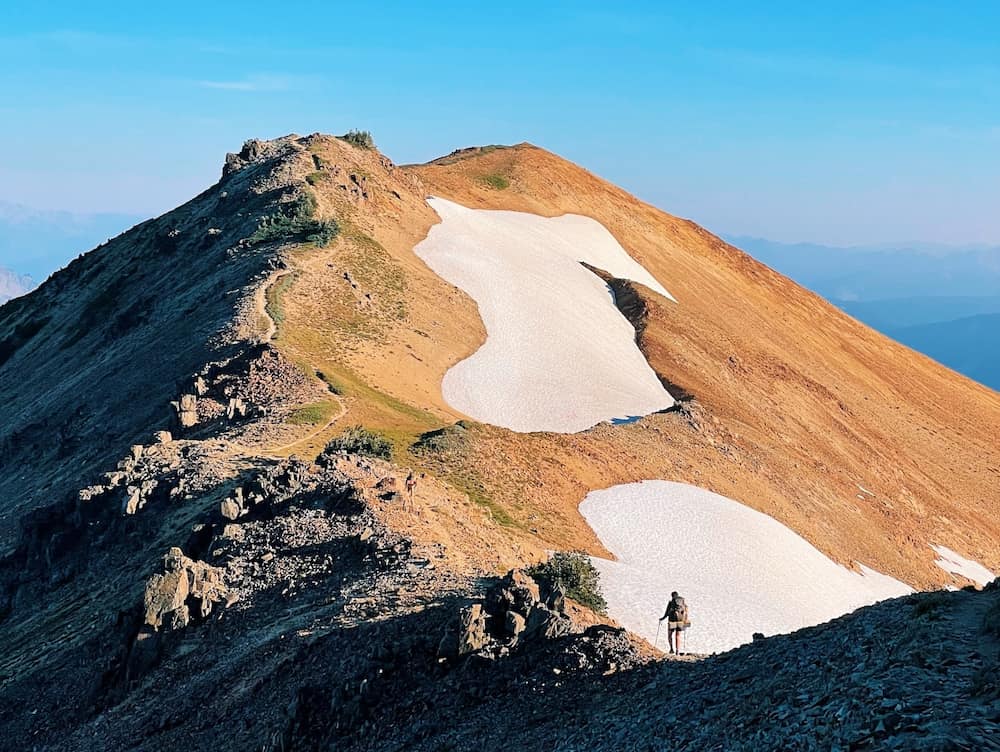
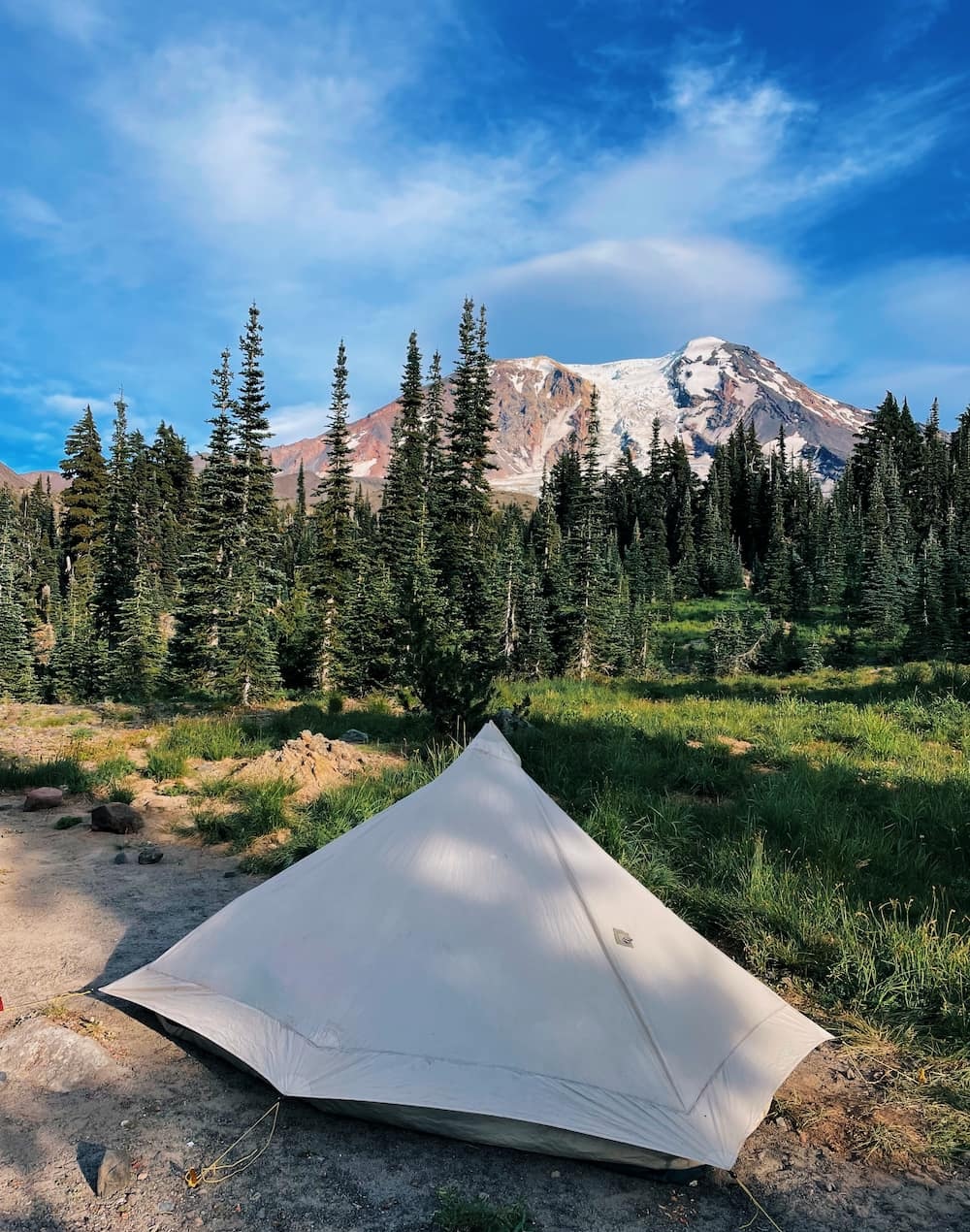
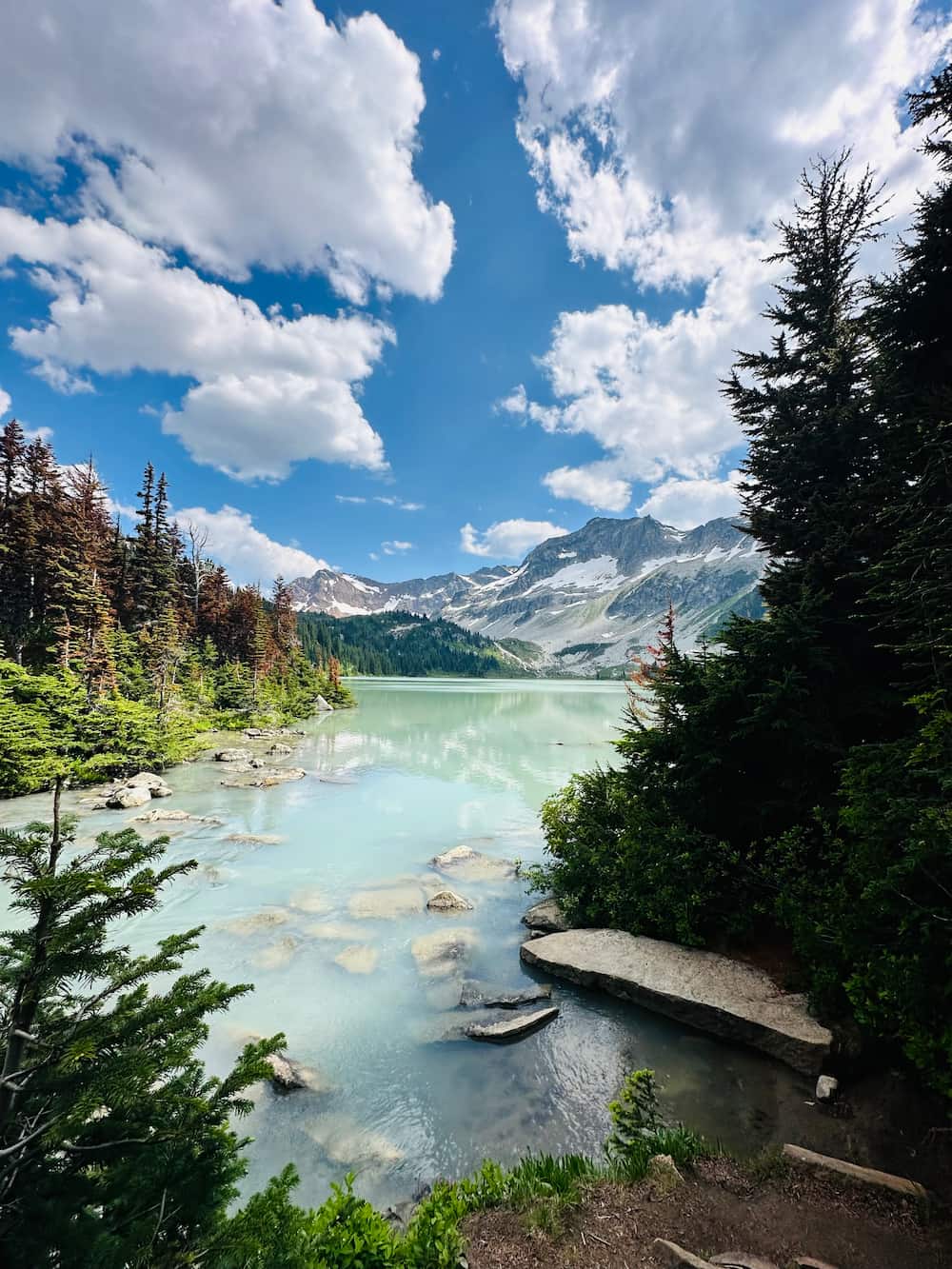
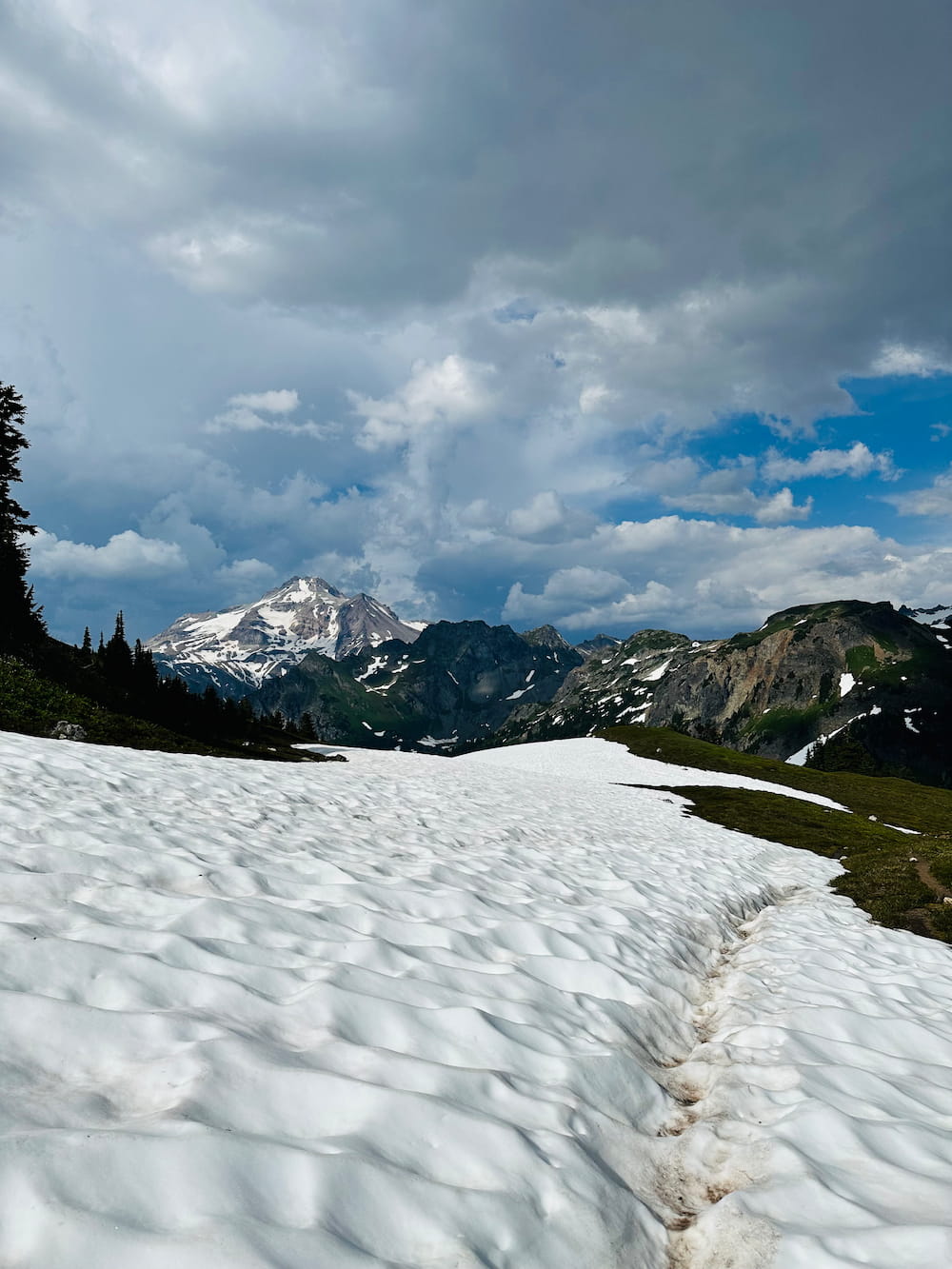
Washington was stunning—full of alpine lakes, glacier-fed streams, mushrooms, and berries. But it also bore the scars of past wildfires, with vast stretches of scorched land. Still, watching nature slowly reclaim the earth—with delicate wildflowers and hesitant blades of grass pushing through the ash—it all made sense.
Regrowth takes time. I didn’t know it then, but that would become one of the trail’s most important lessons.
An Abrupt End
Mission impossible
Halfway through Washington, we learned that a wildfire near the Canadian border had closed the Northern Terminus. The goal of touching the final monument—the very symbol of finishing the Pacific Crest Trail—was no longer possible.
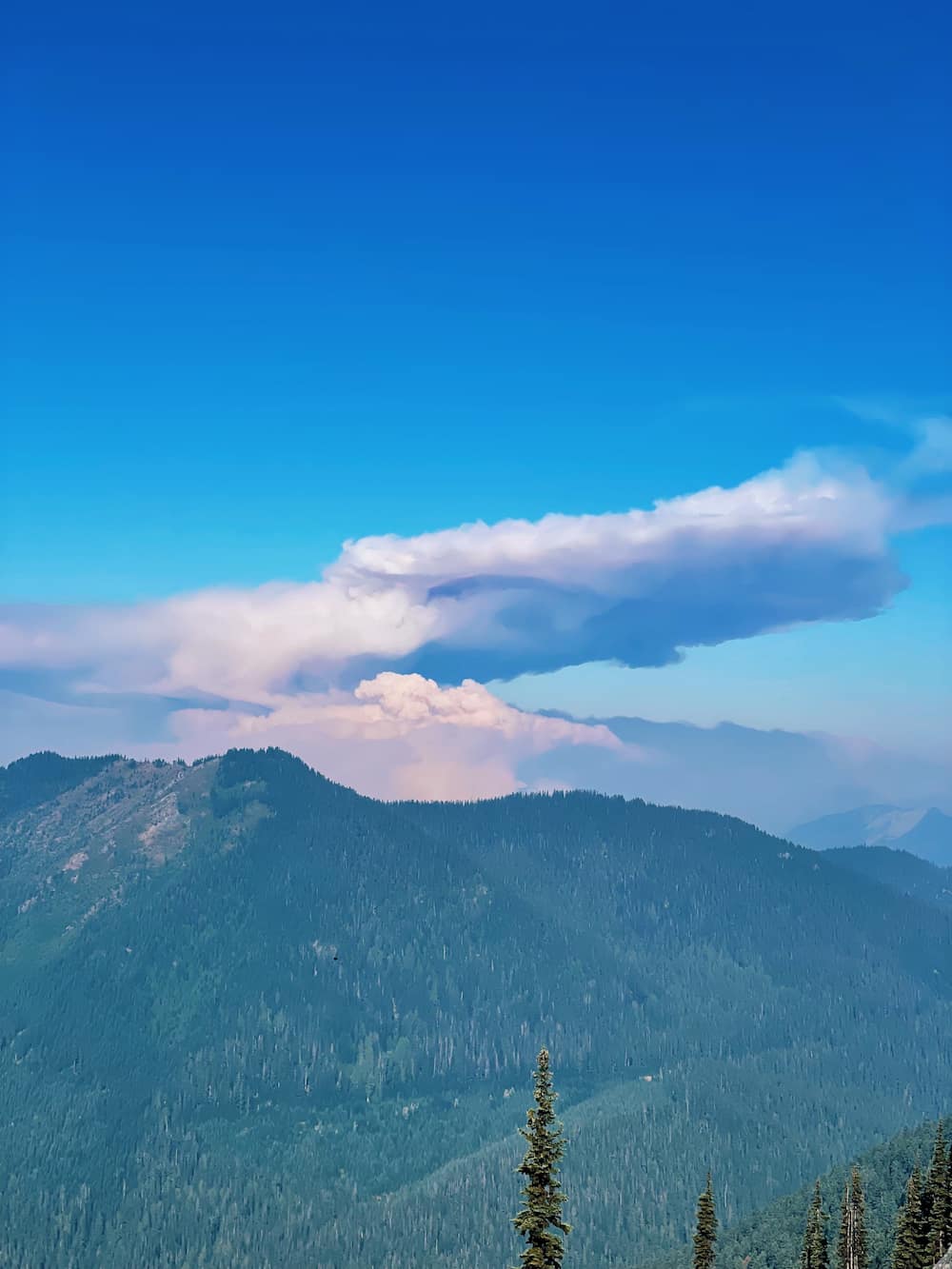
One September morning, we woke to thick smoke from the Wenatchee fire. Later that day, climbing Piper Pass, I saw what looked like a nuclear explosion on the horizon. With no news yet about this new fire, I pushed on for 18 miles. When I finally reached a ski resort, I learned that the entire area had been evacuated and the highway was shut down.
By some miracle, I hitched a ride into town. That night, in Leavenworth, I found out that many hikers were ending their journeys. I became one of them. It was a quiet, somber goodbye—trail friends scattering back to their homes, across states and countries.
It wasn’t the ending we imagined, but it wasn’t uncommon either. Wildfires are a constant threat on the PCT. From the very beginning, we knew the odds of reaching the border weren’t guaranteed.
Unfinished Business
Last 180 miles
In 2023, I decided to finish the trail. I owed it to myself. In 2022, I had started the PCT with my then-husband—by the end, we were exes. I needed to return, to walk the miles I’d missed, and to prove to myself that I, too, could regrow. Those final days turned out to be some of the best.
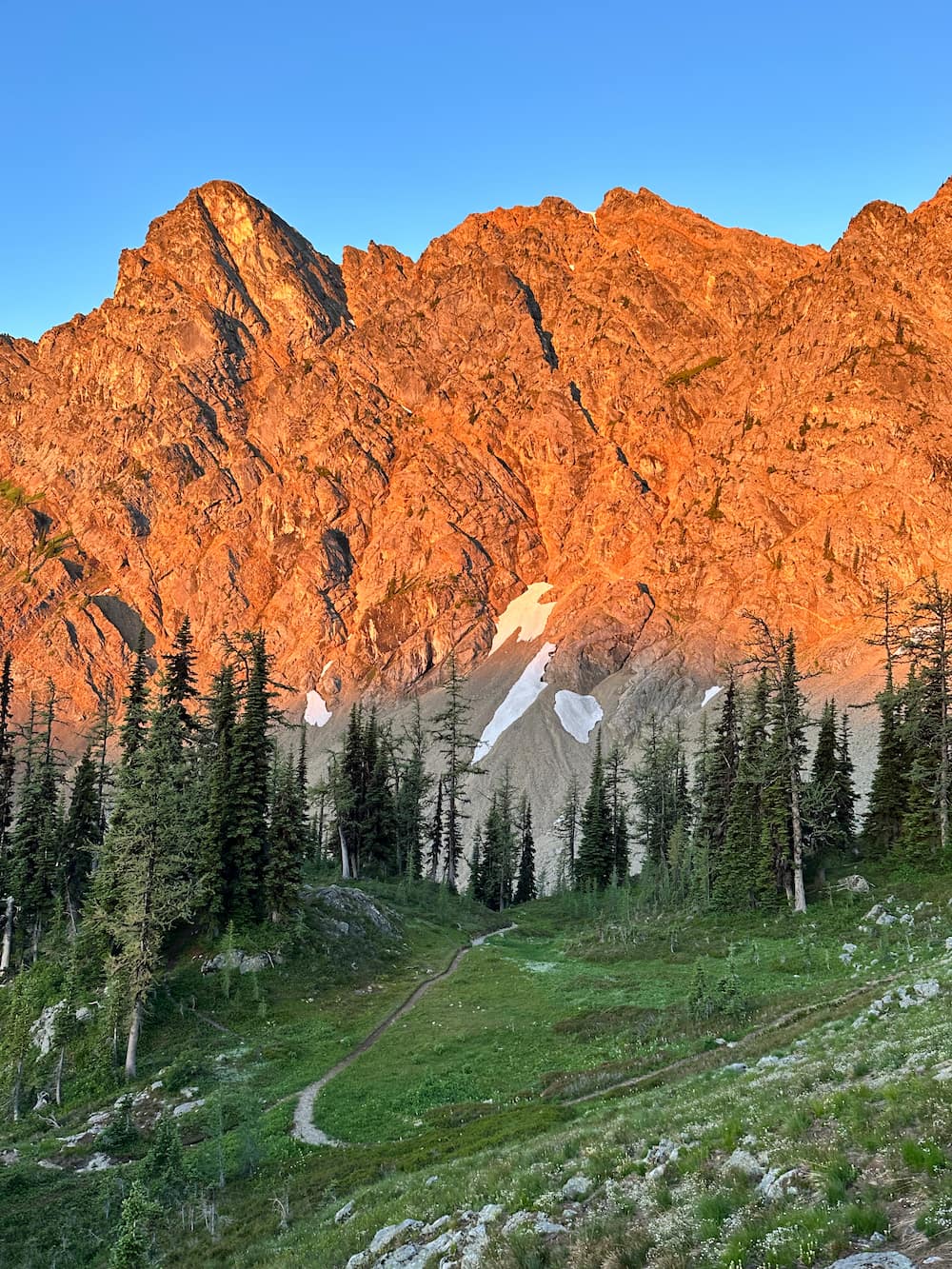
I deliberately avoided researching the last 180 miles. On July 3rd, I boarded a bus in Seattle to Stevens Pass—the same spot I’d hitched out from 10 months earlier—and picked up right where I’d left off. And oh, it felt good to be back. The trail didn’t make it easy. There were endless blowdowns, swarms of mosquitoes, washed-out paths, and glacier-fed streams I had to cross alone—despite fast-moving water being one of my biggest fears. At one point, I slipped on a snow-covered slope and had to self-arrest by grabbing the nearest bush.
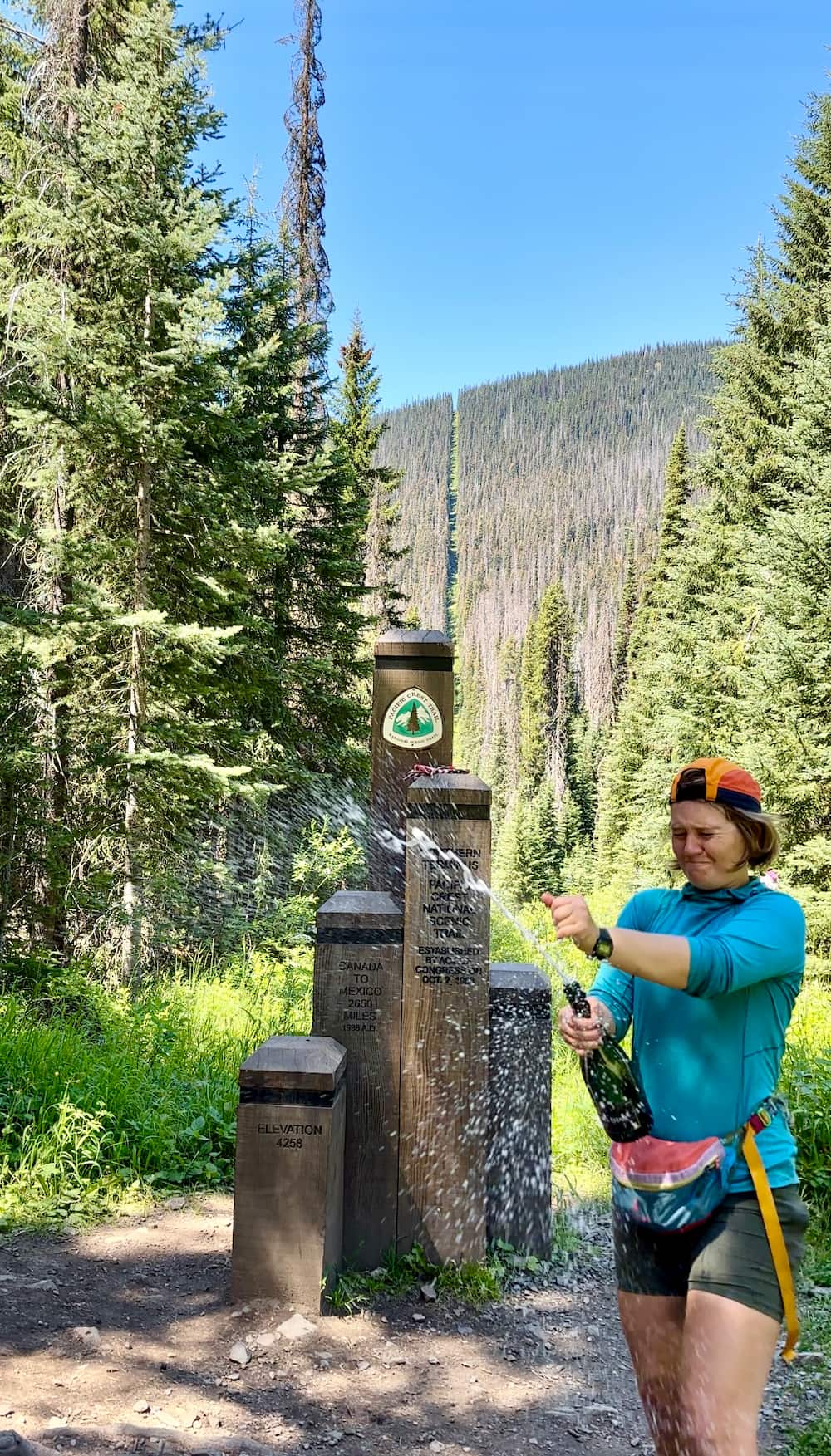
On July 15, 2023, I reached the Northern Terminus. I wrote “Never doubt yourself” in the trail log. I shared a bottle of champagne with a fellow hiker I’d just met, and that was it.
Blissful. Happy. Complete.
It is the people (C)